
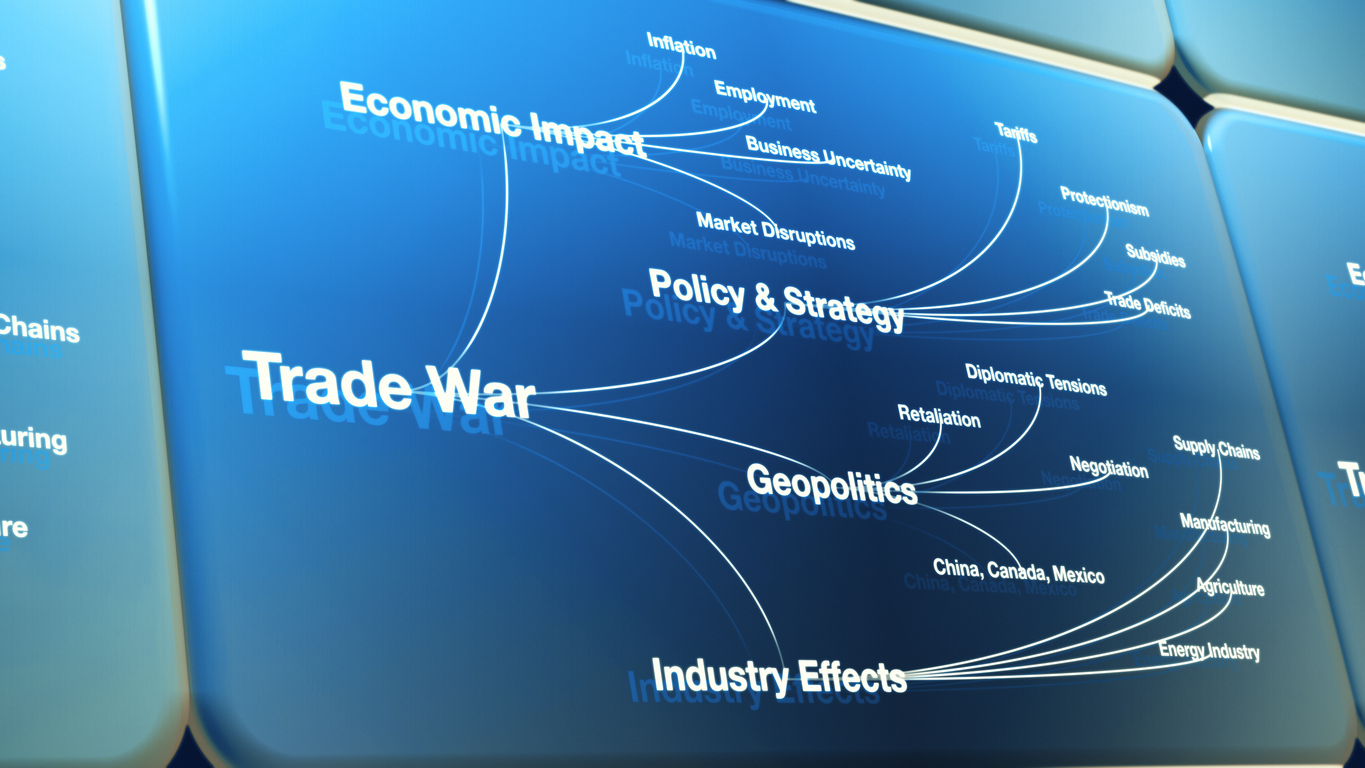
The New Year has begun on a tumultuous note. Geopolitical issues, which turned turbulent last year, has taken a turn for the worse this year. The protests in Iran, the violent suppression of the protests by the Iranian administration and President Trump’s threat to intervene in Iran, triggered anxious moments. The US Supreme Court’s ruling on the legality of Trump tariffs continues to hang fire. President Trump’s latest addition to the murky global geopolitical situation, to impose tariffs on eight European countries for their stance against Trump’s Greenland policy, was fortunately withdrawn when met with strong opposition from a united Europe. USA, a NATO member, openly threatening other NATO members who are US allies, over the Greenland issue, has turned global politics into a theatre of the absurd. How these weird developments evolve and impact international trade and the global economy remains to be seen. Weaponization of tariffs by President Trump is, undoubtedly, a threat to global trade and growth.
Meanwhile, China closed the year 2025 with a staggering $1.19 trillion trade surplus. This has significant ramifications for international trade and global growth. China, the second largest economy in the world with GDP of $20 trillion, has become a massive export powerhouse and its trade policies are impacting other countries, particularly the emerging ones, adversely. China’s high growth rate, powered by investment rather than consumption, has become unsustainable. Efforts to boost consumption have not succeeded since people are increasing savings rather than spending more. With the real estate market in limbo and housing prices steadily declining, people opting to save more is a rational choice. Weak domestic consumption has left China with no option but to export more. Trump’s tariffs have impacted Chinese exports to the US, forcing China to export more to other countries, impacting their manufacturing sector and rising demand for protection. In brief, while Trump’s tariffs are dominating the global economic and trade discussions, the massive Chinese trade surplus is quietly snowballing into a more serious issue, which has the potential to unleash profound economic consequences. The leader of the capitalist democratic world – the USA – turning protectionist and communist China becoming the apostle of globalization and free trade, is a reflection of the bizarre times we live in.
How should investors respond to these geopolitical and geoeconomic developments? Investment history tells us that in the long run, economic growth, and more importantly corporate earnings, drive the markets. Disciplined systematic investment is the key to investment success. Discerning investors should focus on the clear trend in India’s economic growth and its long-term implications for the stock market. In the last 25 years from the turn of the century, India has achieved average annual growth rate of 6.5 percent, the second best in the world, after China. Now India is the fastest growing large economy in the world and has the potential to retain that status for many years to come. India becoming an $8 trillion economy with around $10 trillion market cap by 2032 or 2033 is not a hope, but almost a certainty. The implication of this growth is that the wealth creation through the stock market in the next six to seven years would be higher than the wealth created since independence. This India Growth Story should be the guiding star for investors in these turbulent times. As Warren Buffet famously said, “ ignore the noise and focus on the business.”